what to do when your parent shows signs of dementia
How to Know if Your Parent Has Dementia
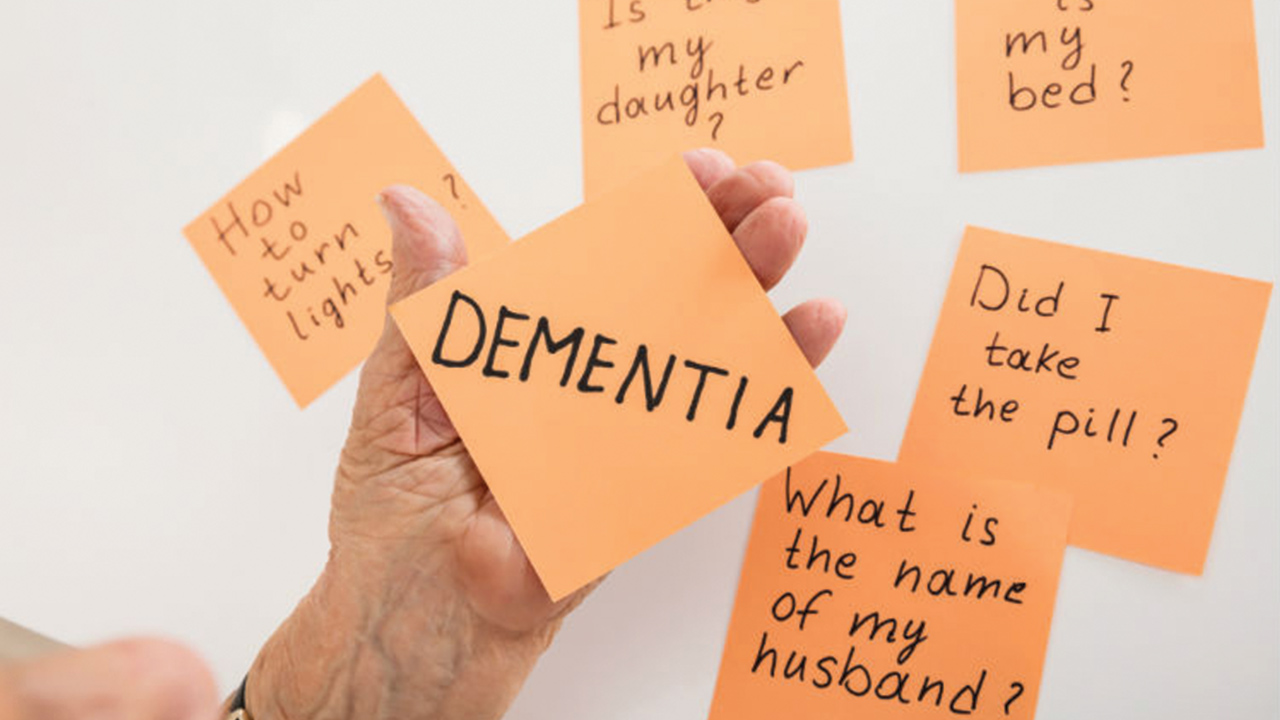
Occasional forgetfulness can be blamed on advancing age, only a design of retentivity loss or unusual changes in behavior should prompt concerns most an elderly parent's cognitive function.
We've all forgotten a person'due south name, where we put our keys or whether we locked the front door subsequently leaving abode. While these things betoken lapses in memory, experiencing them from time to time doesn't mean nosotros take dementia. Nonetheless, forgetting how to make change for a transaction, how to employ the telephone or how to notice your way abode probably points to a more serious underlying memory trouble, such every bit balmy cognitive damage, the early on stages of Alzheimer'due south disease or another form of dementia.
What Is Dementia?
Dementia is not a specific affliction. It is an umbrella term used to describe a collection of symptoms that include changes in thinking, memory and other cognitive functions. These symptoms can be associated with a number of unlike neurological disorders that each bear upon the brain in various means. Dementia patients accept significantly impaired intellectual functioning that interferes with their ability to complete activities of daily living (ADLs) and maintain relationships. Seniors with dementia may also lose the power to solve problems and command their emotions, and they may experience personality changes and behavioral issues, such equally agitation, delusions and hallucinations.
Initial alarm signs are typically very subtle, and family members may not notice marked changes in a loved one's thinking, functioning and behavior until they become more severe. Common red flags include:
- Asking the aforementioned questions or telling the aforementioned stories repeatedly
- Not being able to follow directions
- An dumb concept of time
- Disruptive or declining to recognize/call back people and places
- Not taking care of oneself or one's domicile (east.g., eating poorly, not bathing, beingness dangerous)
- Meaning changes in logic and judgement
- Difficulty communicating with others
Read: 10 Signs of Alzheimer'due south Affliction and Other Dementias
Although dementia primarily affects elderly individuals and is becoming increasingly common, information technology is not a normal part of the aging procedure. Even 1 of the cerebral issues to a higher place tin accept serious real-world consequences, such as making it difficult for a senior to pay their bills on time, manage and attend appointments, keep a household in order, feed themselves, or socialize with family unit and friends.
Medical Conditions That Can Mimic Dementia
While memory loss is a common symptom of many kinds of dementia, changes in retentiveness alone are not sufficient for a diagnosis. Doctors volition diagnose an individual with dementia only if 2 or more brain functions—such as retention and linguistic communication skills—are significantly impaired. Some of the diseases that cause symptoms of dementia are Alzheimer's disease, vascular dementia, Lewy body dementia, frontotemporal dementia, Huntington's illness and Creutzfeldt-Jakob affliction.
Doctors have identified other medical atmospheric condition that can crusade dementia or dementia-like symptoms, including reactions to medications, normal pressure hydrocephalus, metabolic problems and endocrine abnormalities, nutritional deficiencies, urinary tract infections (UTIs), brain tumors, anoxia or hypoxia (conditions in which the brain's oxygen supply is either reduced or cut off entirely), and heart and lung problems. Fifty-fifty hospitalization and surgeries can cause changes in a senior'south mental land, which may be temporary or permanent.
What to Do if You lot Think Your Parent Has Dementia
Caregivers who are worried about their aging parents' cognitive health should ensure they make an appointment with a physician as before long as possible for a thorough concrete and mental health evaluation. This comprehensive checkup should include bloodwork and urine tests to dominion out other causes of cerebral pass up also as a series of mental assessments to bank check their retentivity, problem solving skills, and math and language skills. Diagnostic imaging may be necessary likewise.
A consummate medical exam for retentivity loss should review a person's medical history, including their use of prescription and over-the-counter medications, diet, by medical issues and general health. A correct diagnosis depends on accurate details. Sometimes dementia patients cannot recognize their impairment (a symptom called anosognosia), so the doctor may request additional information from a family fellow member, caregiver or shut friend.
It is important to note that there is no single, definitive diagnostic test for dementia. Physicians like neurologists, geriatricians and psychiatrists typically use a combination of tests and assessments to diagnose dementia.
Read: Medical Tests Used to Diagnose Alzheimer's Disease
If your elderly loved one is showing signs of dementia, it is important to schedule these tests and assessments immediately. Sometimes, this is easier said than done since many seniors refuse to get to the md. Those who do attend appointments may somehow manage to put on a convincing operation for their physicians that all is well—a phenomenon chosen "showtiming." Even if a parent has not authorized the doc to talk over your parent'southward care with you, you can still share your concerns with their medical provider in person, past email or past telephone.
Although a dementia diagnosis might not be made when symptoms initially present, the results of these tests can be used as a baseline for comparison against the results of time to come testing. Establishing a cerebral baseline is important for anyone who is concerned nearly their future cerebral health.
Planning for a Parent's Futurity
Early diagnosis is crucial for allowing dementia patients and their families to effectively prepare legally, financially and medically. Ideally, most of these preparations and discussions will accept taken place long before you doubtable changes in their mental state. If not, helping your parent spell out their wishes while they are yet capable of participating is an of import footstep in planning for their future. Clarifying what is (or may be) happening to a parent'southward retentiveness, judgement, moods and behaviors besides makes it much easier for their loved ones to accept these changes and come together to create a care programme that accommodates them.
Read: Planning Ahead for Mom and Dad's Care
taylorthapterefor.blogspot.com
Source: https://www.agingcare.com/articles/warning-signs-of-dementia-to-look-for-139753.htm
0 Response to "what to do when your parent shows signs of dementia"
Post a Comment